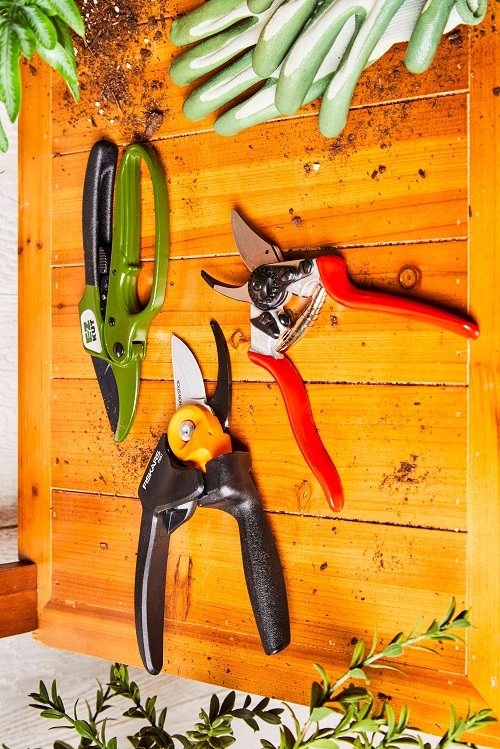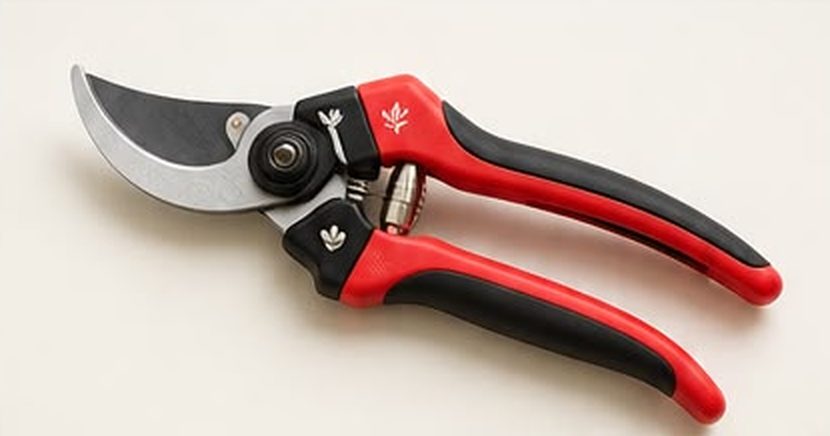
Everyday bypass pruner
Looking for a tool for routine pruning? Compare the cutting capacity, handle opening, and availability of replacement parts before choosing…

Shop category
Start with the stems you need to cut, then compare the tool’s cutting capacity, handle size, and maintenance requirements. The right fit matters too. A tool that’s too large for your hand can be awkward to use, even when its specifications look right.
Step 1
Think about what you do most often. A tool that suits most of your tasks beats one built for the occasional big job.
Step 2
Weight, grip and size matter more than features. If you can, try the handle or check the dimensions against something you own.
Step 3
Products with spare parts and simple cleaning routines last longer and cost less over time.
Looking for a tool for routine pruning? Compare the cutting capacity, handle opening, and availability of replacement parts before choosing…
A compact model may suit light work or a smaller hand. Check the actual handle dimensions and opening range; the…
Compare the cutting mechanism and manufacturer-stated capacity for the material you intend to cut. Check how the ratchet resets and…
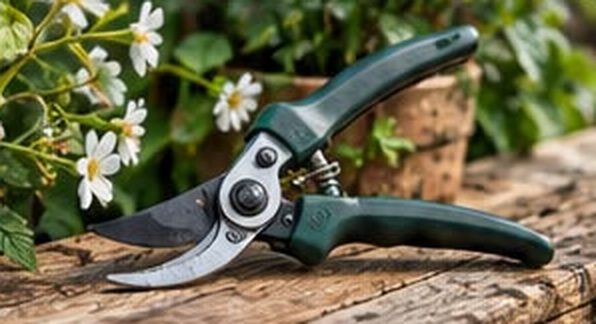
For a tool you will carry between quick jobs, check the listed weight, locking mechanism, and blade access for cleaning.…
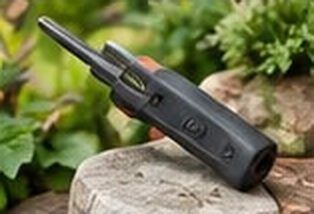
Match the sharpener to your blade and the manufacturer’s maintenance instructions. Check whether it is designed for the blade shape…
| Product | Type | Best for | Use case | Price | Link |
|---|---|---|---|---|---|
| Everyday bypass pruner | Bypass | Most gardeners | Routine pruning | Mid-range | Check price |
| Compact bypass pruner | Bypass | Smaller hands | Light pruning | Budget | Check price |
| Ratchet anvil pruner | Anvil | Reduced grip strength | Thick, dry wood | Mid-range | Check price |
| Lightweight pruning shears | Bypass | Beginners | Deadheading | Budget | Check price |
| Pruner blade sharpener | Accessory | Tool upkeep | Maintenance | Budget | Check price |