Pros
- Light and easy to control.
- Fits into tight spaces.
- Clean cuts on soft stems.
Cons
- Limited cutting capacity.
- Shorter handles give less leverage.
- Not for woody growth.
What matters before you buy
What to consider in a compact pruner.
How this review was prepared
Prepared from published specifications and patterns in owner feedback. Edit this note to describe exactly how you checked the product.
Grip size
Check the handle span suits your hand.
Capacity
Check the manufacturer’s stated cutting capacity.
Lock
A one-handed safety lock is easiest.
Compare popular options
Compact pruners compared with other types.
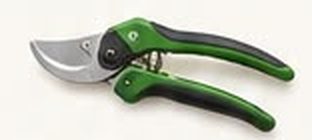
Our pick
Compact bypass
Best use Smaller hands
Trade-off Lower capacity
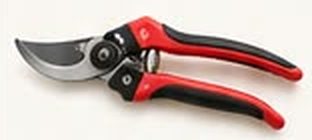
Everyday bypass
Best use Routine pruning
Trade-off Larger in hand
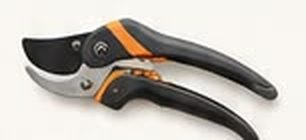
Ratchet anvil
Best use Thick, dry stems
Trade-off Heavier
Frequently asked questions
What size branches can a bypass pruner cut?
Most handle green stems up to about 20mm. For anything thicker, or for dead wood, use loppers or a pruning saw to avoid straining the blade.
How do I keep my pruners in good condition?
Wipe sap off after each use, dry the blades, oil the pivot now and then, and sharpen when cuts start to crush rather than slice.