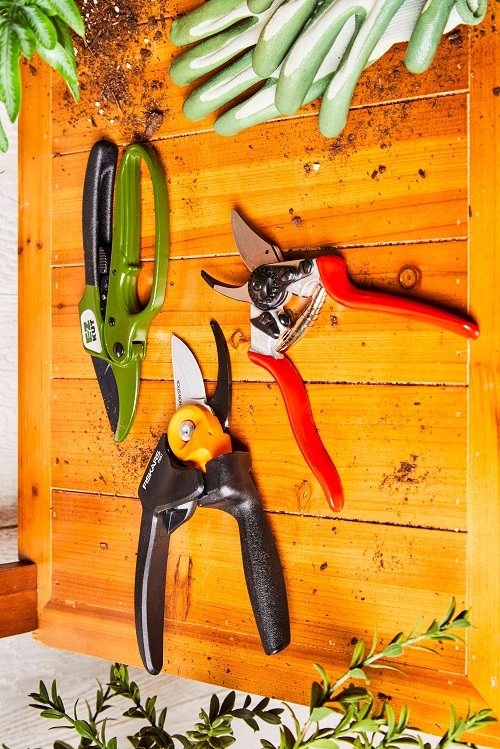
Before comparing brands, list the work: clipping flowers, pruning live stems, or cutting larger woody growth. The right tool depends on the material and size of the cut.
Bypass pruners use a passing-blade action and are generally suited to live growth. Anvil tools close a blade against a surface and can crush softer stems. For larger branches, choose an appropriately rated lopper or pruning saw rather than forcing hand pruners beyond their capacity.
Check the fit
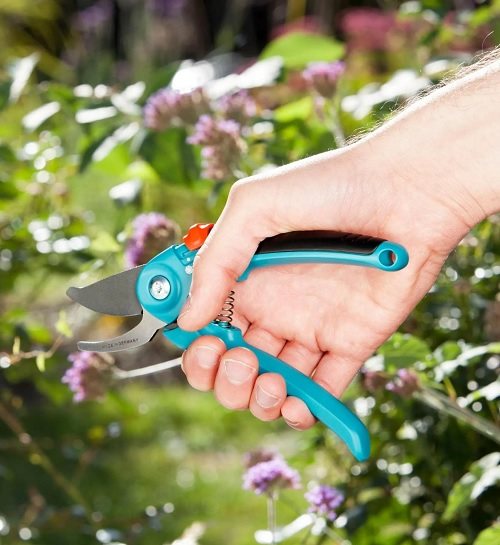
Compare the handle opening, overall dimensions, weight, and handedness. Product photographs rarely show how far your fingers must reach. If you cannot try the tool, look for clear dimensions and check the retailer’s return terms. A comfort claim in a listing is not a substitute for a fit check.
Think about upkeep
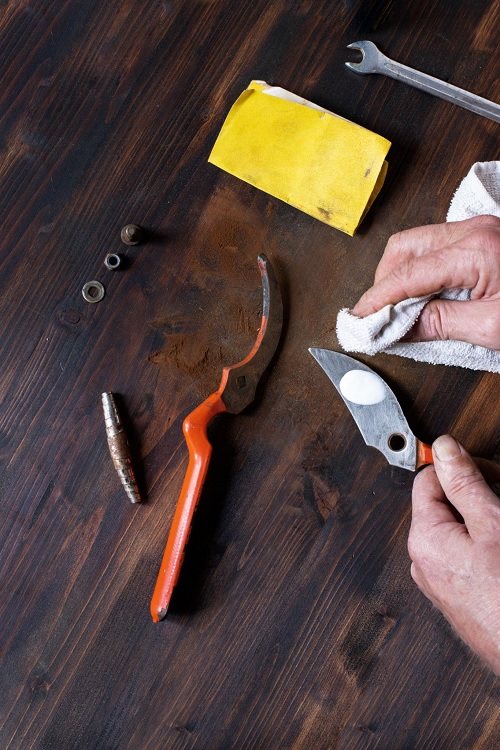
Read the maintenance instructions. Can you access the blade for cleaning? Are replacement blades and springs available for this exact model? A low initial price may be less attractive if one worn component means replacing the whole tool.
Choose without an unsupported ranking
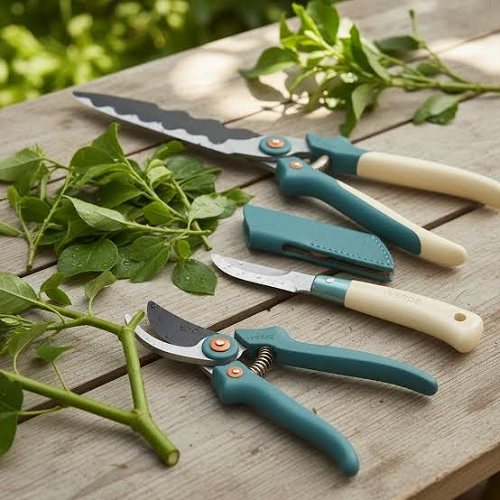
For routine live-stem work, compare suitably sized bypass models. For different materials or heavier work, change the shortlist. There is little value in naming one universal winner when the jobs differ.
Keep pruning timing separate from tool choice. The right blade does not make every season suitable for cutting every plant. Check the plant’s pruning requirements before starting.