Pros
- Breathable fabric encourages a dense, healthy root system.
- Light to move and folds flat for storage.
- Good drainage, so roots rarely sit in water.
Cons
- Dries out faster than plastic or glazed pots.
- Fabric can stain patios when wet.
- Less sturdy than rigid pots when full.
What matters before you buy
What matters when choosing a grow bag.
How this review was prepared
Prepared from published specifications and patterns in owner feedback. Edit this note to describe exactly how you checked the product.
Size
30 litres suits one tomato; potatoes do best in 40 litres or more.
Handles
Strong handles make moving full bags much easier.
Watering
Fabric breathes, so plan to water more often in hot weather.
Compare popular options
How a grow bag compares with other containers.
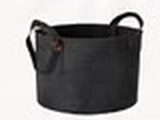
Our pick
Fabric grow bag
Best use Tomatoes and potatoes
Trade-off Dries out faster
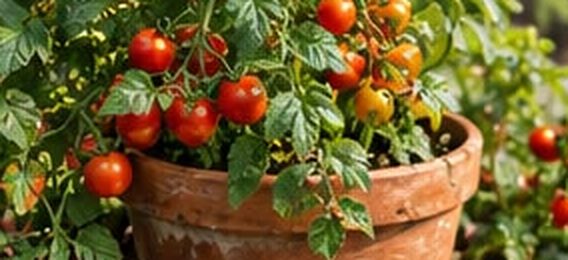
Terracotta pot
Best use Long-term planting
Trade-off Heavy to move
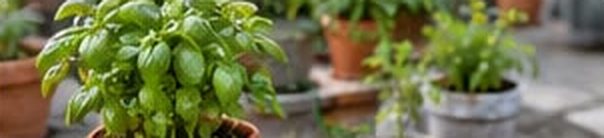
Plastic pot
Best use Busy gardeners
Trade-off Can overheat in sun
Frequently asked questions
How long does a fabric grow bag last?
With care, several seasons. Empty, brush off and dry the bag before storing it.
Can I reuse the compost?
Use it as a mulch on beds rather than for another crop of tomatoes, which can suffer from soil-borne problems.
Do grow bags need saucers?
Not usually, but a tray protects patios from stains.