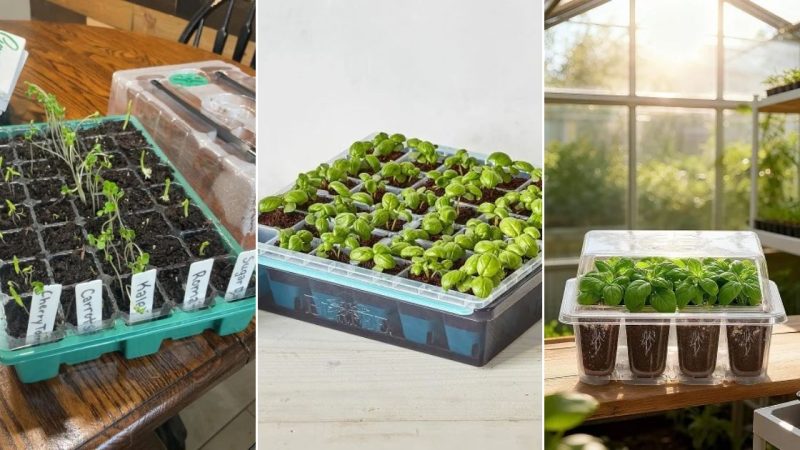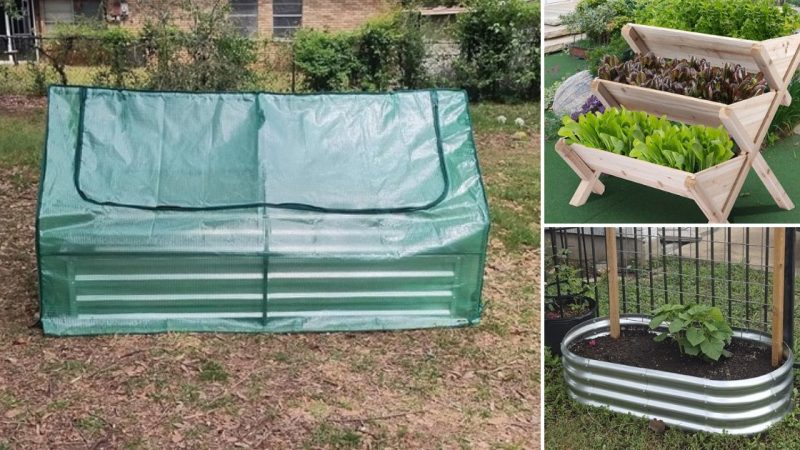
The most useful kit is one you have room to use after the seeds sprout. Count your planned plants, measure the growing area, and decide how you will provide suitable light before choosing a tray.
Read the contents list
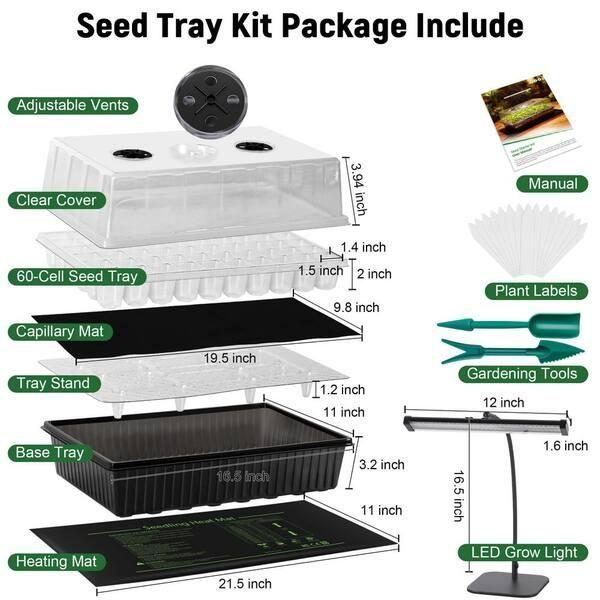
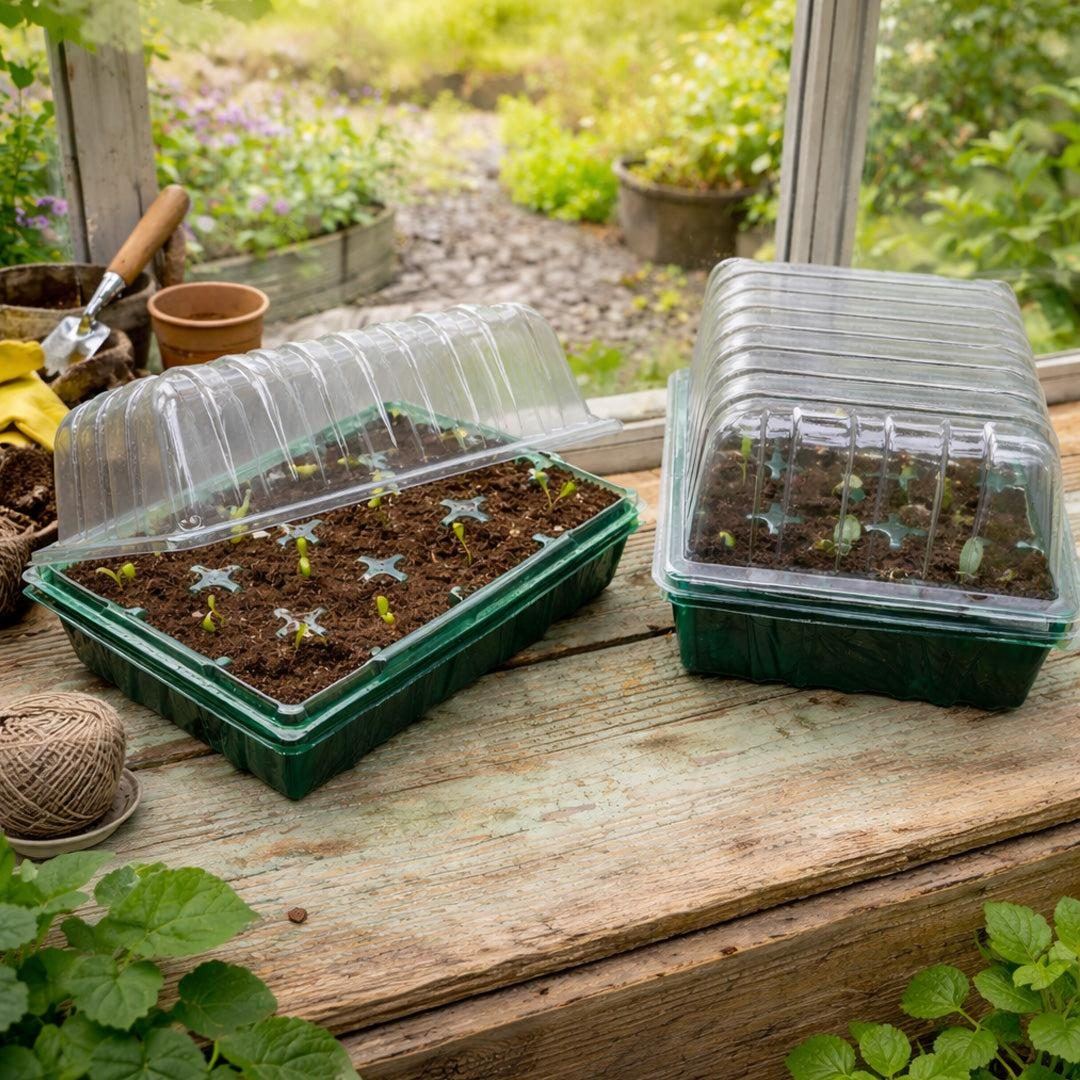
Check whether the package includes cell trays, a support tray, a cover, growing mix, labels, lights, or a heat mat. Don’t assume everything in the photograph is included. If you already own part of the setup, price the missing items separately to get a better idea of what the kit will actually cost you.
Compare the cells
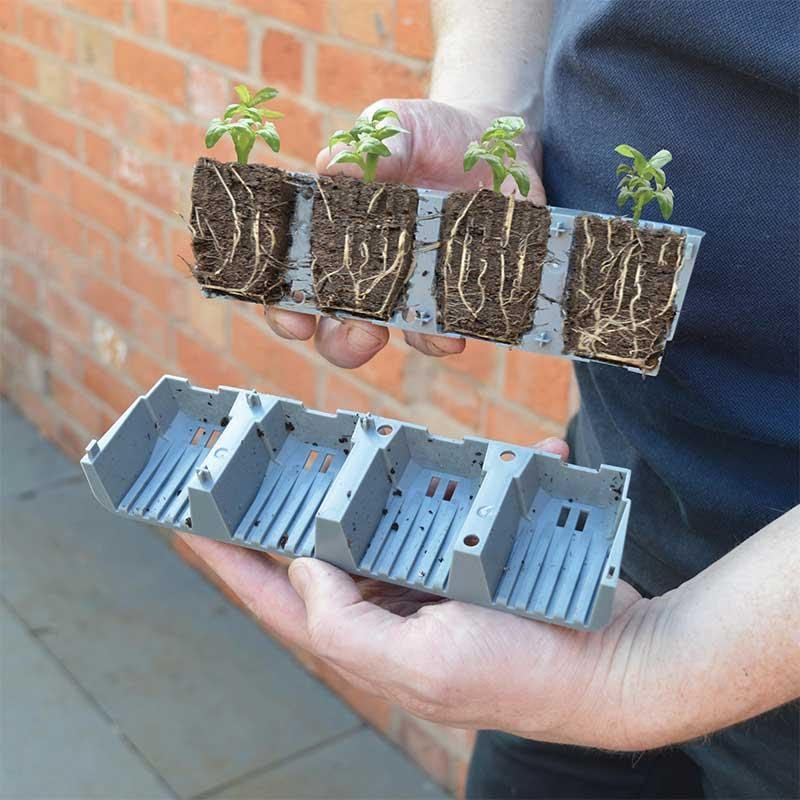
Small cells save initial space but offer less room as seedlings grow. Look at cell depth and width, not only the number of cells. Check drainage and whether the tray can be handled without folding when full. Research cannot establish tray strength from a photograph, so avoid treating thickness claims as proof of durability.
Make a light plan
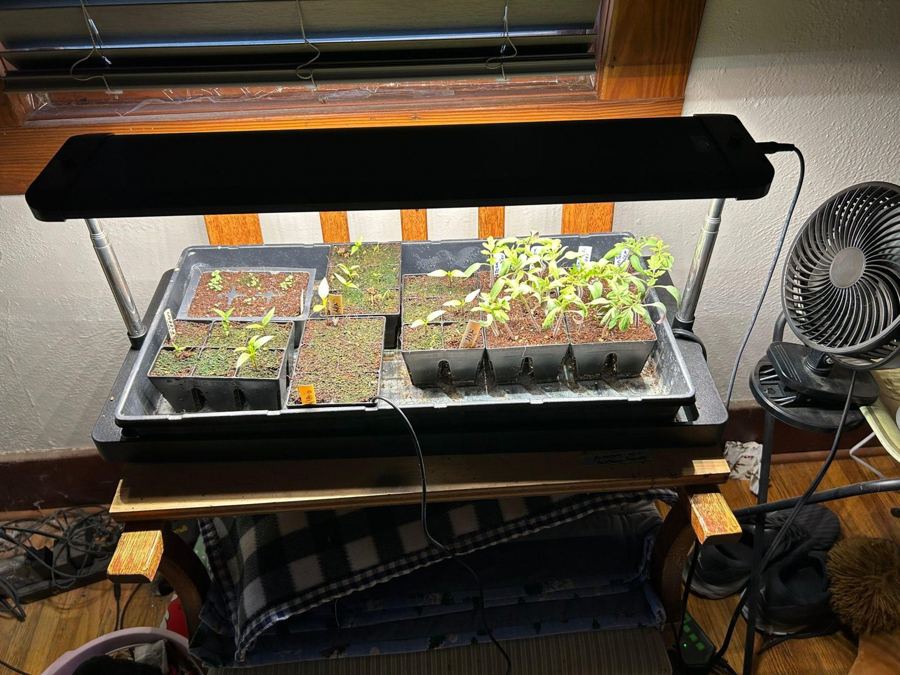
Seedlings need adequate light after emergence. A kit with many cells is poor value if only part of the tray fits under the light. Use the light manufacturer’s positioning guidance; different fixtures should not all be placed at the same distance.
Buy for a manageable first batch
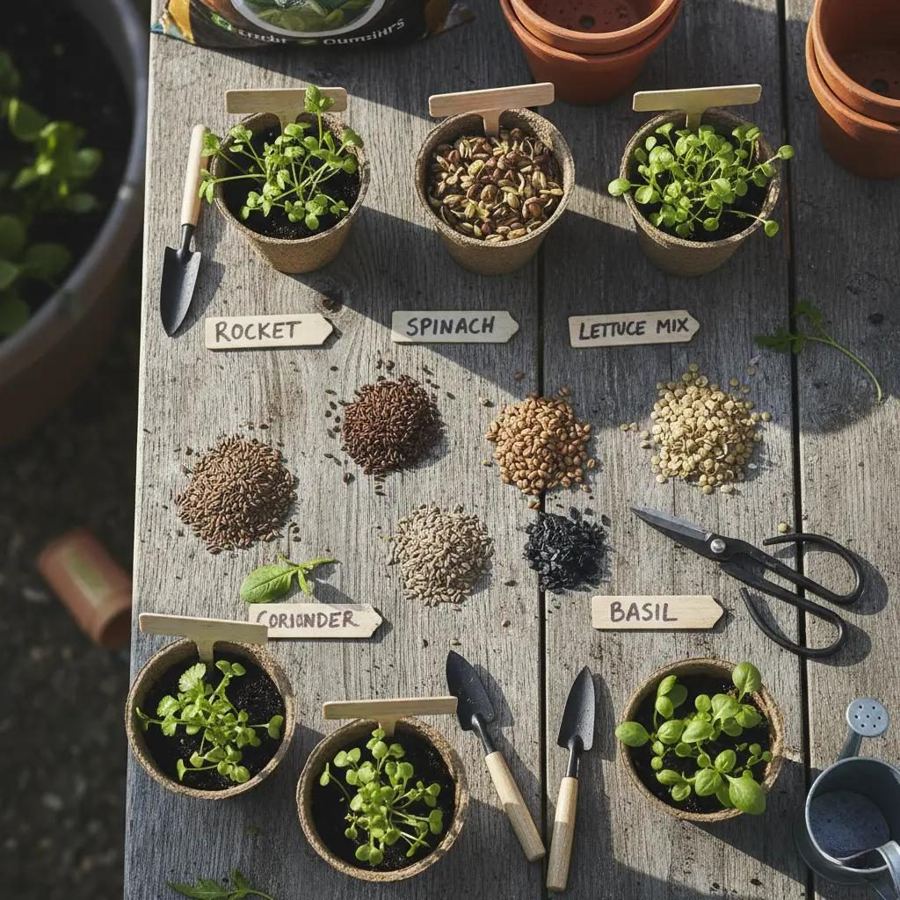
For a first attempt, choose a few plants you have space to grow on. Keep a record of sowing dates and results. Add equipment when you understand which part of the process is limiting you.