
Pros
- Simple dial set-up that takes minutes.
- Steady watering helps prevent split fruit and wilting.
- Runs on standard batteries.
Cons
- One outlet means one schedule.
- Needs mains water pressure to work.
- Must come indoors before frost.
What matters before you buy
What to check before buying a hose timer.
How this review was prepared
Prepared from published specifications and patterns in owner feedback. Edit this note to describe exactly how you checked the product.
Number of outlets
One outlet suits a patio. Two let you run pots and a bed on separate schedules.
Programming
Dials are quick to set. Screens allow several start times and odd-day watering.
Rain delay
Pauses watering after rain. Useful for beds; less so for covered pots.
Compare popular options
Three common timer types compared.
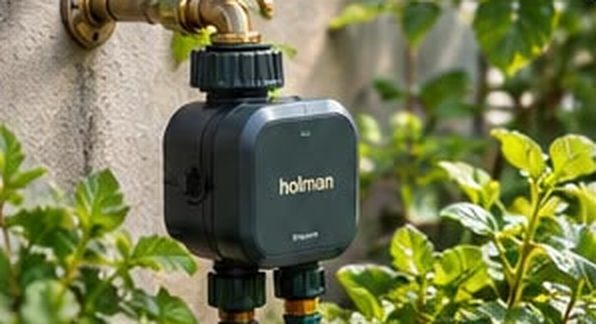
Our pick
Single-outlet dial
Best use Patios and pots
Trade-off One schedule only
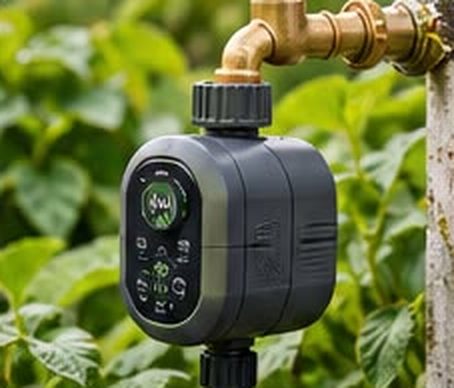
Display timer
Best use Drip lines and beds
Trade-off More settings to learn
Two-outlet timer
Best use Mixed pots and beds
Trade-off Larger and pricier
Frequently asked questions
Will a timer work with a water butt?
Only gravity-fed models designed for low pressure will. Standard hose timers need mains pressure to open their valves.
How long do the batteries last?
Most run a full season on two AA batteries. Replace them before a holiday.
Can I leave a timer out over winter?
No. Bring it indoors before the first frost, as trapped water can crack the valve.