
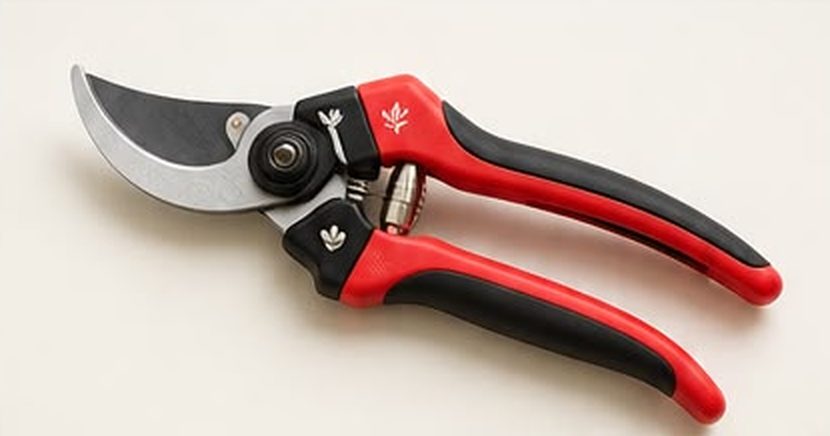
Pros
- Clean cuts on fresh stems, helping plants recover well.
- Lightweight and comfortable for regular use.
- Well suited to general garden maintenance.
Cons
- Not ideal for thick, dry or woody branches.
- Cutting capacity can be limited compared with larger tools.
- May not suit very large hands (try the grip if possible).
What matters before you buy
A few key factors to consider when choosing bypass pruners for your garden.
How this review was prepared
Prepared from published specifications and patterns in owner feedback. Edit this note to describe exactly how you checked the product.
Hand fit
Choose a grip that feels comfortable and secure. A good fit helps reduce hand fatigue during longer pruning sessions.
Blade maintenance
Keep blades clean and dry, and sharpen regularly for smooth, effective cuts and a longer tool life.
Fresh vs. dry wood
Bypass pruners work best on fresh, green stems. For thick or dry wood, consider loppers or a ratchet pruner.
Compare popular options
Here are three common types of pruners to help you find the best fit for your needs.
Our pick
Everyday bypass
Best use Fresh stems and routine pruning
Trade-off Not ideal for thick, dry branches
Compact bypass
Best use Light pruning and smaller hands
Trade-off Lower cutting capacity
Ratchet anvil
Best use Thicker stems and tougher growth
Trade-off Heavier and less suited to fine pruning
Frequently asked questions
What size branches can a bypass pruner cut?
Most handle green stems up to about 20mm. For anything thicker, or for dead wood, use loppers or a pruning saw to avoid straining the blade.
How do I keep my pruners in good condition?
Wipe sap off after each use, dry the blades, oil the pivot now and then, and sharpen when cuts start to crush rather than slice.
Are bypass pruners suitable for left-handed gardeners?
Standard models can feel awkward because the blade sits on the wrong side. Several brands make dedicated left-handed versions; check before buying.
When should I choose a ratchet or anvil pruner instead?
Choose a ratchet anvil if you cut lots of dry, woody stems or have reduced grip strength. Anvil blades crush slightly, so they are less suited to live growth.